Design Your Perfect Outdoor Space
Fixed and adjustable louvers serve different purposes for outdoor spaces like louvered pergolas. Fixed louvers are stationary, offering consistent shade and low maintenance, while adjustable louvers can pivot, providing control over sunlight, ventilation, and rain protection. Your choice depends on your budget, local weather, and desired functionality.
Key Points:
- Fixed Louvers: Affordable, low-maintenance, and sturdy, but lack flexibility. Best for stable weather conditions and permanent shade.
- Adjustable Louvers: Higher cost, moderate maintenance, and feature-rich. Allow you to control light, airflow, and rain protection, ideal for varying climates.
Quick Comparison:
| Feature | Fixed Louvers | Adjustable Louvers |
| Adjustability | None | Manual or motorized |
| Weather Protection | Limited | Watertight when closed |
| Maintenance | Low | Moderate |
| Cost | Lower upfront | Higher upfront |
| Best for | Consistent climates | Changing weather |
Fixed louvers are simple and reliable, while adjustable options offer more control and functionality, making them a better fit for unpredictable weather or multi-use outdoor spaces.
What Are Fixed Louvers?
Fixed louvers are permanent slats installed on a pergola’s roof, designed to provide consistent shade and protection from the sun and light rain. Once installed, their angle is fixed and does not change, creating a steady, unmovable structure. While the shadows they cast shift naturally as the sun moves across the sky, the louvers themselves remain stationary. This simplicity makes fixed louvers an appealing choice for homeowners who want reliable coverage without the need for motors or mechanical parts. However, this same simplicity also defines their limitations, as explored in the features and benefits below.
These louvers are typically made from durable materials such as wood, aluminum, vinyl, or polycarbonate. They’re designed to complement various architectural styles – whether traditional, coastal, or rustic – making them feel like a natural extension of your home. Their sturdy construction also makes them ideal for supporting heavier accessories like ceiling fans or integrated lighting.
Key Features of Fixed Louvers
Fixed louvers are defined by their single, unchangeable angle, which provides consistent coverage year-round. With no moving parts or mechanical systems, they’re incredibly low-maintenance, offering a hassle-free solution for outdoor spaces.
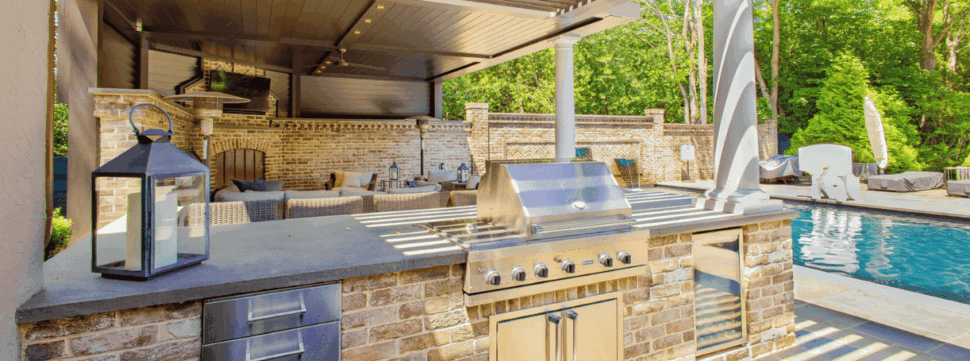
This constant coverage makes fixed louvers particularly useful for areas like outdoor kitchens, dining spaces, and poolside cabanas. These are places where you want dependable protection for furniture or appliances without needing to adjust the roof for changing weather. Whether it’s sunny or rainy, the structure remains steady, offering peace of mind.
The materials used in fixed louver systems are built for longevity. Aluminum options resist rust and corrosion, requiring only an occasional rinse to stay clean. Wood offers a classic, warm look but needs regular staining or sealing to prevent damage from moisture or pests. Aluminum, vinyl, and polycarbonate versions strike a balance, offering durability with moderate upkeep. These material choices ensure that fixed louvers are not only functional but also long-lasting.
Benefits of Fixed Louvers
Since they lack the advanced engineering and motorized components of adjustable systems, fixed louvers are often the most low-cost option upfront.
“Fixed pergola roofs generally require the least amount of maintenance. Their solid construction lacks moving parts, reducing the need for regular mechanical or fabric care.” – StruXure NorCal
Durability is another key benefit. Aluminum models—such as StruXure’s Pan 6 louvers—can endure for decades with minimal upkeep, making them a dependable choice for homeowners in areas with stable weather conditions. They’re perfect for those who prioritize straightforward, consistent shade over adaptability.
Additionally, fixed roofs can be integrated with accessories such as ceiling fans, recessed lighting, or speakers. The structure’s rigidity ensures that these additions remain secure and functional over time.
Drawbacks of Fixed Louvers
The primary drawback of fixed louvers is their lack of flexibility. Once installed, they cannot adapt to changing weather, lighting preferences, or seasonal sun angles. This rigidity can also limit the amount of natural light entering nearby indoor spaces.
Another limitation is their inability to provide complete weather protection. While fixed louvers effectively shield against sun and light rain, they aren’t watertight. In heavy storms, water can seep through depending on the slat angle and wind direction, which may not be ideal for all climates.
If your pergola is installed close to windows or glass doors, careful planning is essential. Fixed louvers can create darker interiors by blocking sunlight, so it’s important to evaluate placement before committing to installation.
What Are Adjustable Louvers?
Adjustable louvers are horizontal slats that can rotate to control sunlight, airflow, and protection from the elements in outdoor spaces, such as pergolas. Unlike fixed louvers, these slats can be tilted to various angles, giving you the flexibility to adjust for shade, ventilation, or shelter based on the weather. Think of them as outdoor blinds for your patio roof. For instance, on a bright morning, you can open the louvers to let in natural light and fresh air. As the sun gets harsher in the afternoon, you can tilt them for shade. And if it starts to rain, closing the louvers creates a watertight seal, keeping your space dry. This level of control aligns with modern outdoor living preferences.
Most adjustable louver systems are made from powder-coated aluminum, a material known for its durability and resistance to corrosion. These systems often come with limited lifetime warranties and are designed to last for decades. Unlike traditional fabric awnings, which typically have a lifespan of about 10 years, aluminum louvers can handle extreme conditions. StruXure pergolas, in particular, can handle wind speeds of up to 150 mph and significant snow per square foot.
Key Features of Adjustable Louvers
The standout feature of adjustable louvers is their ability to rotate. You can operate them manually using a hand crank or opt for motorized systems that offer more convenience. Motorized louvers can be controlled through remote controls, smartphone apps, or even voice commands when integrated with smart home systems.
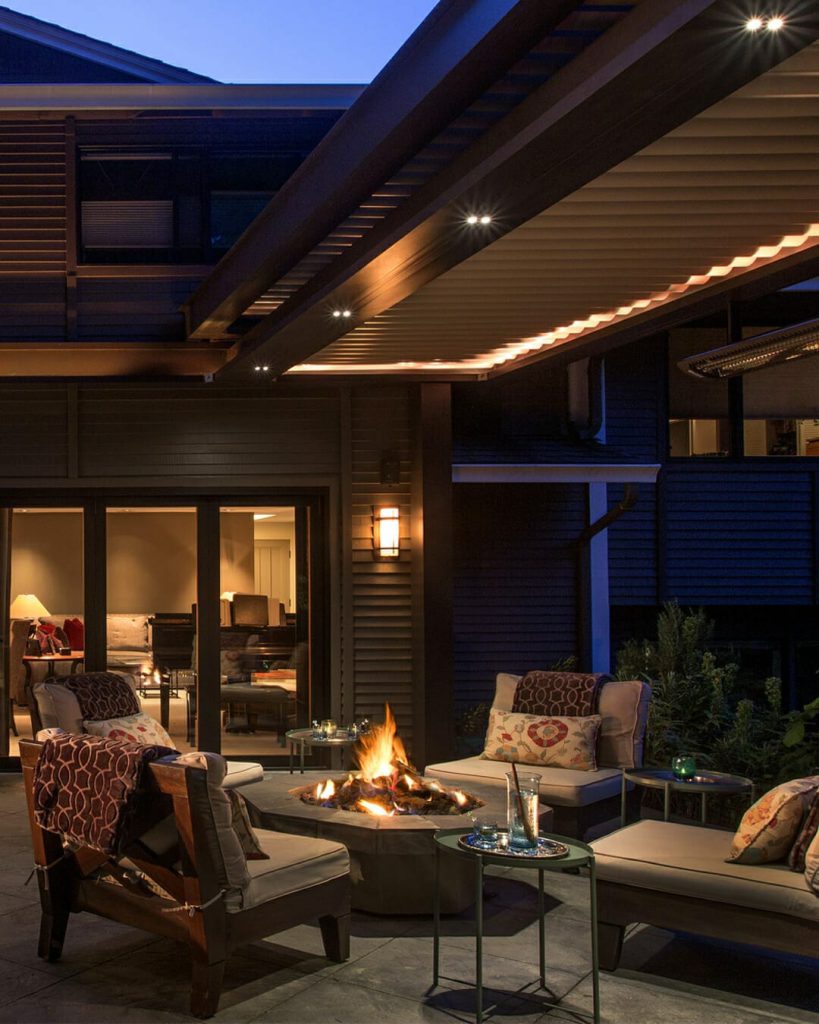
Advanced systems take this a step further by incorporating weather sensors. Rain sensors, for example, automatically close the louvers to keep your space dry during unexpected showers. Wind sensors can open the louvers during high winds to prevent structural damage caused by lift. Beyond weather control, many systems come with added features like built-in LED lighting, ceiling fans, and heaters, making your outdoor space usable year-round.
When deciding between manual and motorized systems, your power source is a key consideration. Motorized systems are easy to install if you have access to an electrical outlet. If not, solar-powered motors provide a convenient alternative, eliminating the need for electrical work.
Benefits of Adjustable Louvers
The biggest advantage of adjustable louvers is the control they offer over your outdoor environment. You can adjust the slats to let in just the right amount of sunlight, reducing harmful UV exposure while still enjoying natural light. This control also helps regulate temperature with partially open louvers that allow hot air to escape, keeping the area cooler.
Another significant benefit is their adaptability to weather changes. Unlike fixed louvers, which offer static protection, adjustable systems can respond to shifting conditions. Close them during rain for a watertight roof or open them fully during pleasant weather to enjoy the breeze. This makes them particularly useful in areas with unpredictable weather patterns.
From a real estate perspective, these systems are considered a lifestyle upgrade. Their modern design, functionality, and durability can enhance your home’s appeal and perceived value.
Drawbacks of Adjustable Louvers
One of the main downsides is the higher upfront cost. Adding motorized components can increase the installation price compared to manual systems. The advanced materials and automation technology further contribute to the overall expense.
Maintenance is another consideration. While the aluminum construction requires minimal upkeep, motorized parts need occasional cleaning, lubrication of moving parts, and ensuring sensors remain functional.
There’s also the risk of dependency on motorized components. If a motor or sensor fails, the automated functionality is lost until repairs are completed.
Fortunately, many StruXure Dealers offer maintenance packages to make regular cleaning and servicing a breeze. These packages ensure your system stays in top condition year-round, saving you time and effort.
For those living in extreme climates, it’s crucial to choose a system rated for local conditions. Not all adjustable systems are built to handle heavy snow loads or high wind speeds, so selecting one that meets your regional requirements is essential for long-term reliability. These factors should be weighed carefully when evaluating the overall value of adjustable louvers.
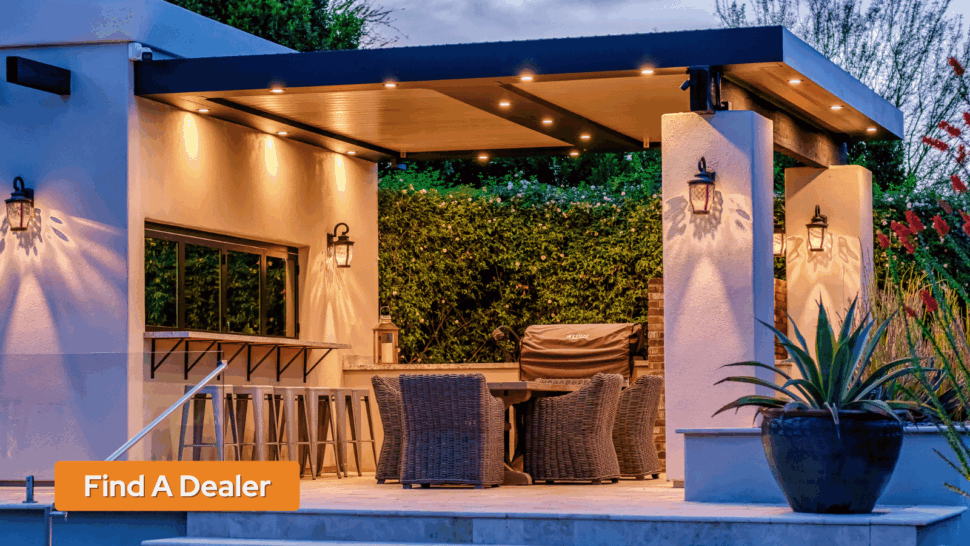
StruXure Arizona | Arizona
Fixed vs. Adjustable Louvers: Key Differences
When it comes to controlling shade, airflow, and weather in your outdoor space, the choice between fixed and adjustable louvers boils down to the level of control you want. Fixed louvers are stationary and provide constant protection, making them a reliable choice for stable weather conditions. On the other hand, adjustable louvers, like those in premium systems such as the Pergola X and Evolve, allow you to pivot the slats up to 170 degrees, giving you precise control over sunlight, airflow, and privacy throughout the day.
The standout difference lies in their adaptability to weather. Fixed roofs offer unchanging shelter but can trap heat due to the lack of ventilation. Adjustable systems solve this issue by letting you open the louvers to release trapped heat and circulate fresh air. During rain, you can close them to form a watertight seal, often paired with integrated gutter systems for efficient water management. This weather flexibility is a significant advantage for adjustable systems.
Maintenance and Cost Considerations
Fixed systems are simpler to maintain, requiring only standard cleaning. Adjustable systems, however, involve additional upkeep due to their motorized components and moving parts, which may need occasional checks to ensure smooth operation.
Cost is another factor to consider. Fixed louvers are generally more low cost because of their straightforward design. Adjustable systems, especially motorized ones, come with a higher price tag due to their advanced engineering, automation features, and premium materials. These differences in cost and maintenance reflect the added functionality and flexibility of adjustable systems.
Comparison Table: Fixed vs. Adjustable Louvers
| Feature | Fixed Louvers | Adjustable Louvers |
| Adjustability | None (stationary) | High (Manual or motorized rotation) |
| Sun Control | Permanent shade | Variable (Open, closed, or angled) |
| Weather Resistance | Consistent protection, but can trap heat | Adaptable, watertight when closed, releases heat when open |
| Maintenance | Low (standard cleaning) | Moderate (cleaning plus mechanical checks) |
| Appearance | Traditional, classic, or modern | Modern, sleek |
| Cost | Lower upfront investment | Higher upfront investment (balanced by long-term value and versatility) |
| Best for | Predictable climates | Variable weather |
How Functionality Differs
The core functionality of these systems sets them apart. Fixed louvers provide steady, dependable protection, making them ideal for outdoor kitchens or spaces where permanent coverage is essential. They also offer a solid ceiling for mounting heavy fixtures like ceiling fans or lighting, which is particularly useful in areas designed for cooking or entertaining.
“Fixed roofs are best for areas that require total, permanent protection. They are a great solution for outdoor kitchens and poolside cabanas.” – StruXure NorCal
Adjustable louvers, on the other hand, excel in versatility. They can be operated manually using a hand crank or lever, or through motorized systems controlled by remotes, smartphone apps, or even voice commands. High-end systems often include sensors that automatically adjust the louvers based on weather conditions, making them a smart choice for regions with unpredictable climates. This adaptability allows you to enjoy your outdoor space year-round, regardless of the season.
Ventilation is another major advantage. Fixed roofs can trap heat, making the space underneath uncomfortable. Adjustable systems let you angle the slats to release heat while still providing shade, ensuring a more comfortable environment. Whether you’re enjoying a sunny afternoon or a breezy evening under the stars, adjustable systems give you the flexibility to create the perfect atmosphere.
StruXure Adjustable Louvered Systems
StruXure takes outdoor living to another level with its advanced adjustable louvered systems. Offering three distinct options – Pergola X, Evolve, and Cabana X – these systems are designed to handle both style and functionality. Crafted from powder-coated extruded aluminum with an AAMA 2604 finish, they are built to resist corrosion, UV rays, rain, and snow. With durability that lasts over 20 years and requires little maintenance, these systems are also ICC certified, meeting stringent U.S. building codes for hurricane-force winds and heavy snow loads. This certification simplifies the permitting process, making it easier for homeowners to install them.
“StruXure’s Pergola X is the only pergola on the market with ICC certification, simplifying code compliance and permitting.” – StruXure
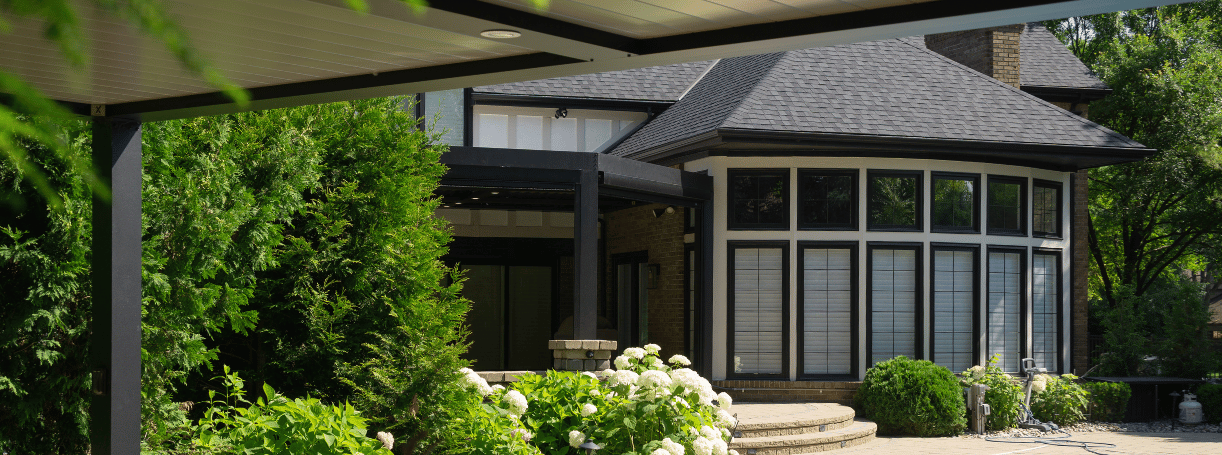
One of the standout features is their modular design, which makes it easy to configure spaces ranging from tiny patios to highly expansive areas. Multiple zones can be seamlessly connected to create a unified outdoor space. Built-in beam chases allow for additional features like LED lighting, ceiling fans, speakers, and privacy screen solutions. The adjustable louvers, which rotate up to 180°, can be controlled through a remote, smartphone app, or voice commands. Advanced models even come equipped with sensors that automatically adjust the louvers based on weather conditions. These thoughtful details ensure that the systems are not only practical but also visually appealing.
Why Choose StruXure Systems?
StruXure systems blend luxury, durability, and adaptability to transform outdoor spaces into year-round havens. Available in six standard colors with additional custom options, these systems offer sleek aesthetics to suit any style. An integrated 360° gutter system efficiently manages water with pass-through technology, keeping outdoor areas dry even during heavy storms.
“Our system is the most durable pergola system on the market today. It has been specifically engineered to withstand hurricane force winds, heavy snow loads and everything in between.” – StruXure
These systems are built to thrive in a variety of climates, from the scorching heat of Texas to the damp coastal fog of California, and even Florida’s hurricane-prone regions. The louvers can be adjusted to provide partial shade, fully opened to enjoy the night sky, or closed tightly for complete watertight protection. This level of adaptability ensures homeowners can make the most of their outdoor spaces throughout the year, combining practicality with elegance. StruXure’s proven performance is further reinforced by industry accolades and awards.
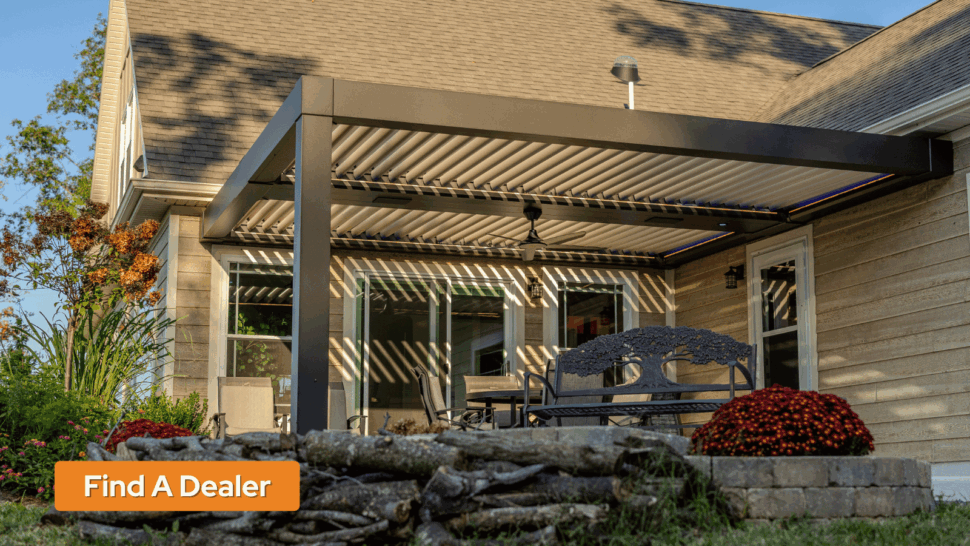
StruXure | Indiana
How to Choose Between Fixed and Adjustable Louvers
When deciding between fixed and adjustable louvers, your local climate plays a big role. Fixed louvers are ideal for areas with consistent weather patterns – whether that’s mostly sunny skies or regular rain – because they provide dependable shade without needing adjustments. On the other hand, if your region experiences a mix of weather, adjustable louvers are more practical. You can open them for ventilation during warm days and close them to stay dry when it rains.
Budget is another important factor. Fixed louvers are generally more affordable since they have a simpler, non-motorized design. However, adjustable louvers offer greater flexibility and are built with aluminum vs. vinyl, making them a worthwhile investment for long-term use.
Maintenance preferences should also be considered. Fixed louvers require little upkeep, while adjustable systems need periodic checks for their moving parts. That said, high-quality adjustable systems often feature UV-resistant coatings and sturdy materials that help reduce maintenance concerns. These considerations can help you determine which option aligns best with your needs.
Recommendation: Adjustable for Changing Conditions
For most U.S. homeowners, adjustable louvers are the better choice, especially in areas with unpredictable weather. Whether you’re dealing with the scorching heat in Texas, the coastal fog in California, or Florida’s hurricane season, adjustable louvers adapt to your environment. With the ability to rotate up to 170°, they let you fine-tune sunlight, airflow, and rain protection to match your preferences.
StruXure systems, in particular, offer an exceptional combination of luxury and functionality. Our motorized louvers provide complete control via remote, smartphone apps, or even voice commands. Some models even include advanced sensors that adjust the louvers automatically based on weather changes, ensuring your outdoor space stays comfortable without constant effort. This mix of convenience, durability, and sleek design makes adjustable systems a forward-thinking choice for enjoying your outdoor space all year long.
Deciding between fixed and adjustable louvers largely depends on how much control you want over your outdoor space. Fixed louvers are a simple and cost-effective option, ideal for areas with consistent weather. However, they don’t offer the flexibility to handle changing conditions. Adjustable louvers, on the other hand, provide full control over sunlight, ventilation, and rain protection – making them a practical choice for U.S. homeowners who face unpredictable weather.
For those looking to elevate both functionality and style, StruXure systems stand out as a top-tier option. These adjustable systems combine sleek design with advanced technology, featuring motorized controls that can be operated via remote, smartphone app, or even voice commands. Equipped with optional rain and wind sensors, they automatically adjust to changing conditions, offering unmatched convenience. Plus, they’re engineered to withstand hurricane-force winds and heavy snow, ensuring durability in any climate.
StruXure systems also come with thoughtful extras like integrated wet-rated lighting, ceiling fans, and speakers. Their powder-coated aluminum finish meets AAMA 2604 standards, providing a low-maintenance, polished look. With six standard colors and endless custom options, they can be tailored to suit any aesthetic.
Whether you’re dreaming of a year-round outdoor retreat or aiming to increase your property’s value, StruXure’s award-winning adjustable pergolas deliver exceptional versatility and performance.
FAQs
What should I think about when deciding between fixed and adjustable louvers?
When deciding between fixed and adjustable louvers, it’s important to think about your climate and weather preferences. Fixed louvers are great for providing consistent shade and rain protection, making them a hassle-free choice for areas with stable weather patterns. On the other hand, adjustable louvers give you the flexibility to respond to changing conditions – open them for a breeze on warm days or close them to block out rain.
Next, consider your needs for light and airflow control. Fixed louvers offer reliable shade but can restrict ventilation. Adjustable louvers let you fine-tune your outdoor environment, allowing you to manage sunlight and airflow by simply adjusting the blade angles.
Lastly, factor in cost, maintenance, and customization options. Fixed louvers are straightforward and typically cost less upfront. Adjustable louvers, while more versatile, come with motorized components that might need occasional upkeep. However, they often include perks like remote controls, programmable settings, and even integration with lighting or heating systems, giving you more ways to tailor your outdoor space to your liking.
How does maintenance differ between adjustable and fixed louvers?
Adjustable louvers need a bit more care compared to fixed ones, mainly because they have moving parts. To keep them functioning properly, it’s a good idea to open and close them at least twice a week during the warmer months. Regular checks are essential – look for any debris, clean the blades and hardware using soapy water and a gentle spray, and make sure no plants or other materials are blocking the mechanisms. As winter approaches, it’s best to lock the louvers in a fully open, vertical position. This helps protect the system from the weight of wind-driven snow.
Fixed louvers like Pan 6 are much simpler when it comes to upkeep. Since they don’t have any moving parts, maintenance is minimal. A quick clean with soapy water and a light spray is usually all they need. Unlike adjustable louvers, there’s no need to operate them regularly or make seasonal adjustments, making them a hassle-free choice for outdoor spaces.