Design Your Perfect Outdoor Space
When designing a modern, durable outdoor cover, the choice often comes down to metal. While both steel and aluminum offer superior longevity compared to wood or vinyl, they are fundamentally different materials with unique strengths and weaknesses.
Understanding this difference is crucial before you invest. If you are debating a metal structure, here is the head-to-head comparison between aluminum vs steel for a pergola.
Weight and Installation: Mobility and Engineering
Steel is significantly heavier and denser than aluminum. While this is often viewed as a sign of strength, it creates challenges in construction and engineering.
Why Aluminum’s Lighter Weight is a Structural Advantage
Aluminum provides the necessary strength for durability and wind resistance while weighing a fraction of steel. This means:
- Easier Installation: Less required labor, specialized heavy machinery, and construction time.
- Less Strain on Foundations: Lighter weight is often less demanding on existing patios, decks, or underlying foundations.
- Complex Engineering: Aluminum is easier to extrude into the complex, precise shapes needed for the moving components and seamless joints of a smart, louvered roof system.
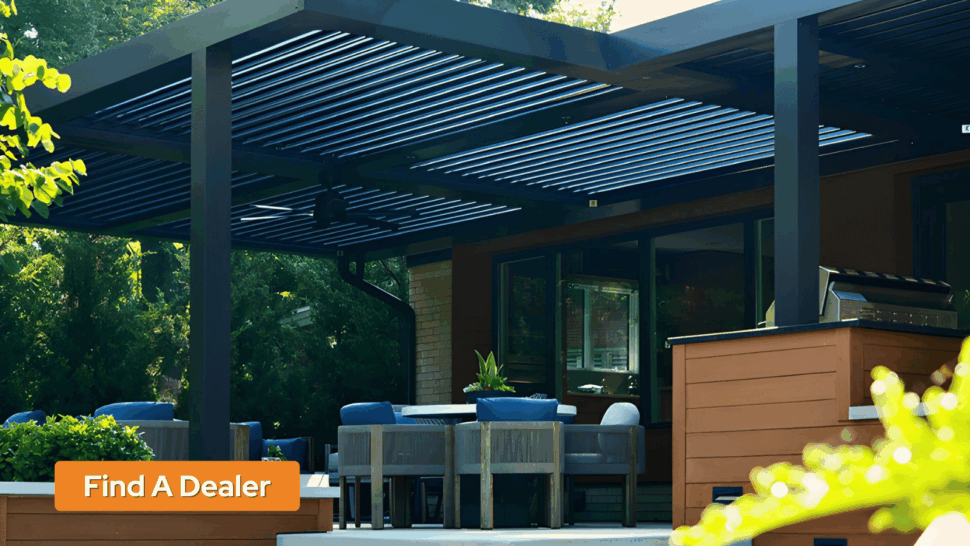
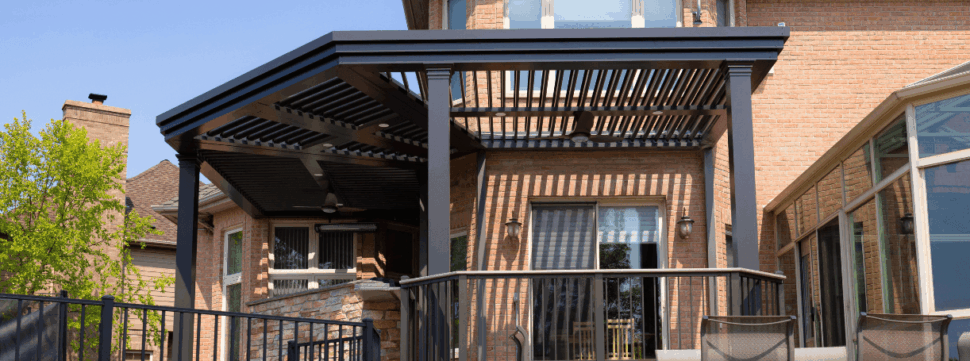
Decadent Outdoors | New York
Durability Face-Off: Rust, Corrosion, and Longevity
This is where material science truly separates the two metals. Steel is an iron-based alloy, and its fundamental weakness is rust.
The Role of Powder-Coated Aluminum in Preventing Rust
Steel, even when treated and painted, will eventually rust when exposed to moisture and the elements. This is especially true if the protective coating is scratched. Aluminum, on the other hand, is a non-ferrous metal. When aluminum is exposed to air, it naturally forms an oxidation layer that protects the material underneath, resisting rust entirely.
When you add a powder-coated aluminum finish, like the one used in StruXure pergolas, you get a double layer of defense: the natural corrosion resistance of the aluminum, backed by a long-lasting finish that ensures maximum durability for decades.
Maintenance and the True Cost of Ownership
The low-maintenance advantage of a metal pergola is a key selling point, but steel still requires more long-term attention than aluminum.
Lifetime Costs: The Difference Between Iron-Based vs. Non-Iron Metals
- Steel Maintenance: If the protective paint or sealant on steel is compromised, you must immediately address it to prevent rust from spreading. This means sanding, priming, and repainting. This ongoing maintenance adds to your long-term cost.
- Aluminum Maintenance: Powder-coated aluminum only requires occasional cleaning with soap and water to maintain its appearance. There is virtually little risk of structural damage from rust, saving you time and effort over the life of the product. This makes the aluminum vs steel pergola choice a clear maintenance win for aluminum.
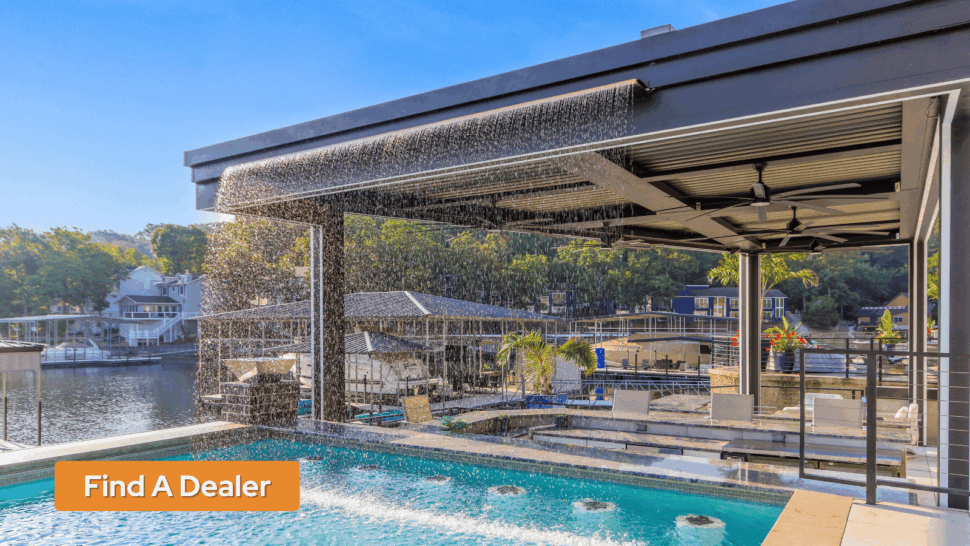
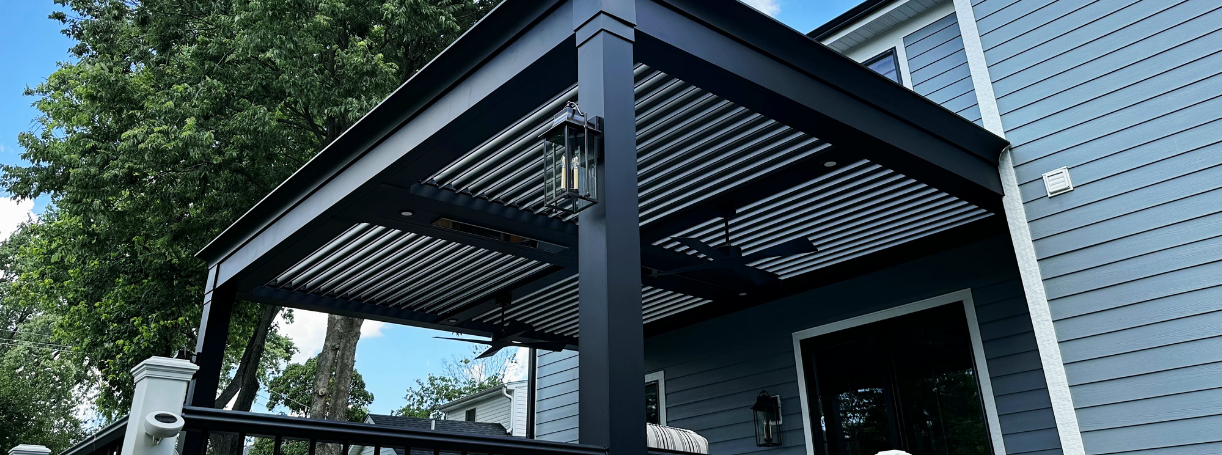
StruXure SoCal | California
Aesthetics and Customization: Design Flexibility
Modern outdoor design favors sleek lines and a clean, less imposing aesthetic. Steel structures are often thicker and heavier to compensate for steel’s material properties, which can result in a bulkier appearance.
Aluminum, being lighter and easier to extrude, allows for thinner, more elegant frames and complex, hidden-fastener designs that define modern luxury. This makes aluminum the preferred material for complex, high-end, and custom-engineered louvered roof systems like StruXure’s.
The Clear Winner for the Modern Metal Pergola
When comparing steel and aluminum pergolas, aluminum offers superior rust resistance, requires minimal maintenance, and provides the structural flexibility needed for smart, motorized features. While steel may be less expensive upfront, the higher long-term cost of maintenance and the risk of rust make powder-coated aluminum the clear, high-ROI choice for a durable, modern, and beautiful outdoor living space.
Ready for the perfect pergola? Connect with your local StruXure Dealer today.